

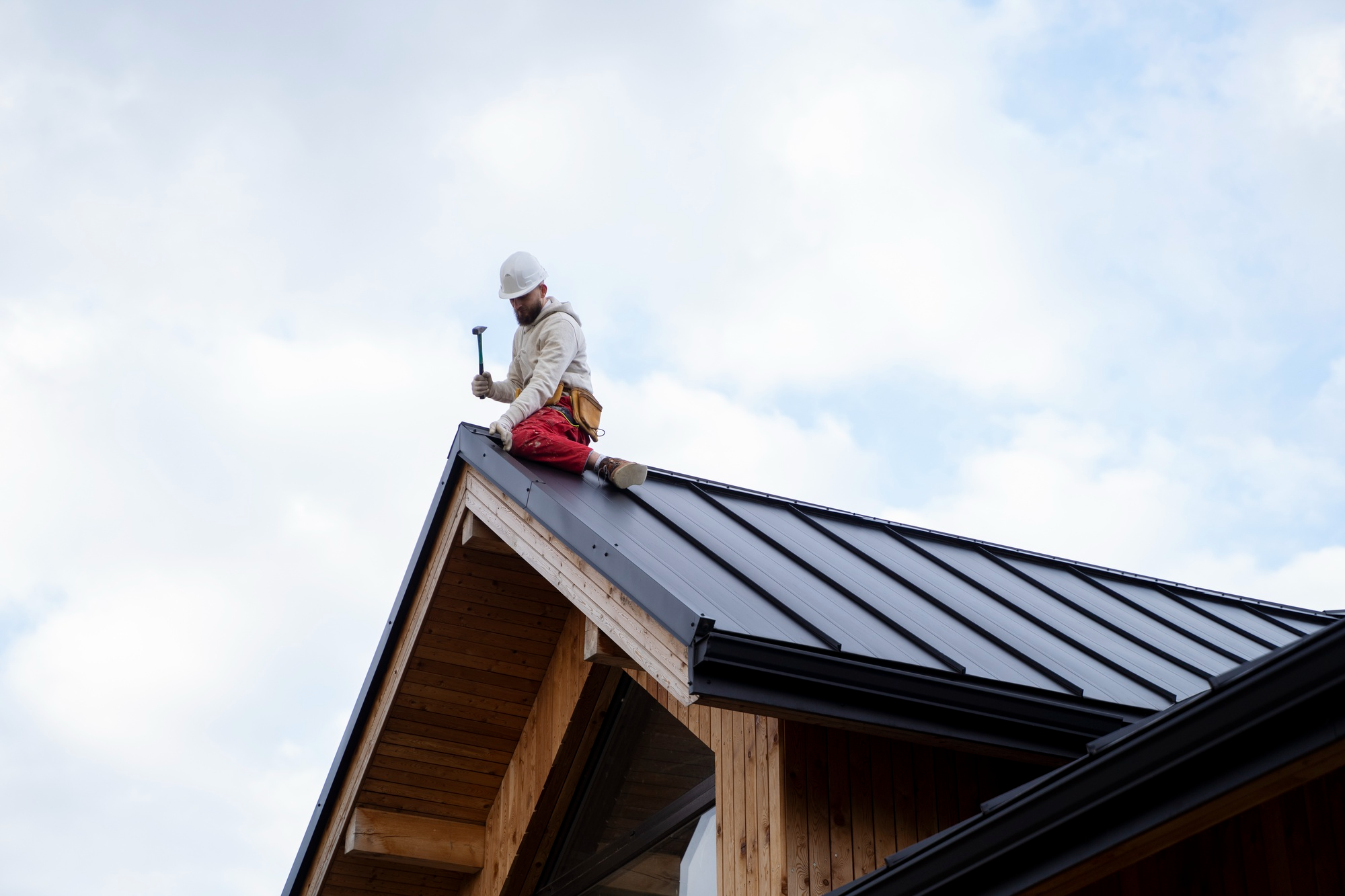
Home is the place where you go to rest and relax, and your roof is the first line of defense against the elements. Over time, roof wear and tear can compromise its structural integrity, leading to issues such as water leaks and costly repairs. Proactive roof maintenance not only addresses issues promptly but also extends your roof’s lifespan.
With regular maintenance, you can keep your roof in top condition. Inspect your roof yourself or hire a professional to help you identify issues early so they can be addressed promptly, ensuring your home stays safe, secure, and weatherproof.
If you are confused about when and where to start the roof maintenance process, this guide will help. In this blog, you will find four tips for roof maintenance for homeowners to enhance its longevity:
Inspect Residential Roof Regularly
Regular inspection of your home roof is essential for identifying early signs of wear and tear. During inspection, look for missing tiles, cracks, sagging areas, or other visible damage. You should schedule an inspection at least twice a year or after a severe flood or rain.
Pay more attention to highly sensitive areas such as valleys, eaves, and chimneys. Early detection of issues can help to address them promptly before they escalate into costly repairs. If you find minor issues during a residential roofing inspection, fix them with DIY methods, but unusual issues require professional attention.
Repair your Roof Promptly
Over time, your roof is prone to wear and tear, which can cause safety hazards and damage your property’s foundation. Heavy rain, flooding, and debris can cause water leaks and shorten your roof’s lifespan. Roof repair as soon as possible can help to keep your roofing safe, strong, and in good condition.
Early inspection and early fixes can make a big difference. Leaving the mild issue unfixed can lead to more severe problems that require more money. So, early repair not only saves your roof but also helps to save you money.
Clear Debris From Gutters
Clogged gutters and debris can cause water overflow and lead to water damage that can weaken your home’s structure. Leaves, debris, and dirt are the main culprits that must be removed regularly. You should clean your gutter seasonally, even after autumn when falling leaves are most abundant. To ensure proper drainage, you should check downspouts frequently.
Check For Signs Of Moisture
Most initial damage is small but can quickly shift into major problems. To keep your roof in good condition, you should look for water stains and discoloration on your ceilings, walls, or in your attic. These signs are common indicators of roof leaks. On the other hand, mold and mildew growth are also indicated as a warning.
Most issues can be addressed promptly, preventing severe damage. This also improves indoor air quality and enhances your home’s roof strength. If you suspect more serious moisture issues, you should contact a roofing contractor to identify the source and recommend repairs.