

A new cooling system can transform your home, but its performance depends heavily on how well it is installed. A successful air conditioning installation requires careful planning, correct sizing, skilled labor, and thorough testing. Mistakes during this process can cause poor cooling, high energy bills, and early breakdowns. This step-by-step guide explains what to expect, helping you prepare confidently and achieve reliable comfort for many years. Whether you are upgrading an old unit or cooling a new space, preparation makes the process smoother.
1. Assess Your Cooling Needs
The first step in air conditioning installation is evaluating your home’s cooling requirements. A professional should measure square footage, check insulation, windows, ceiling height, and sun exposure, then perform a load calculation.
This ensures the unit is neither too large nor too small, which protects efficiency and comfort. Accurate measurements at this stage prevent many future complaints.
2. Choose the Right System
Selecting equipment is the next stage of air conditioning installation. Compare central air systems, ductless mini-splits, and heat pumps based on your layout and budget.
Check efficiency ratings, noise levels, warranty terms, and smart features. Choosing a trusted brand and a suitable capacity helps avoid expensive problems later. Take time to compare at least three options carefully.
3. Hire a Qualified Installer
Even the best equipment fails without expert air conditioning installation. Hire licensed, insured technicians with strong reviews and manufacturer training.
Request written quotes from several companies and compare scope, materials, and timelines. Clear contracts prevent misunderstandings and confirm that permits and safety standards will be handled correctly. Never use unlicensed workers.
4. Prepare the Site
Preparation makes air conditioning installation faster and safer. Clear the area around the indoor and outdoor units, protect furniture, and ensure installers can reach electrical panels and ducts.
The outdoor condenser needs a level base with enough airflow around it. Proper placement also reduces noise and prevents damage from debris or water. Good preparation also helps the crew finish on schedule.
5. Installation and Connections
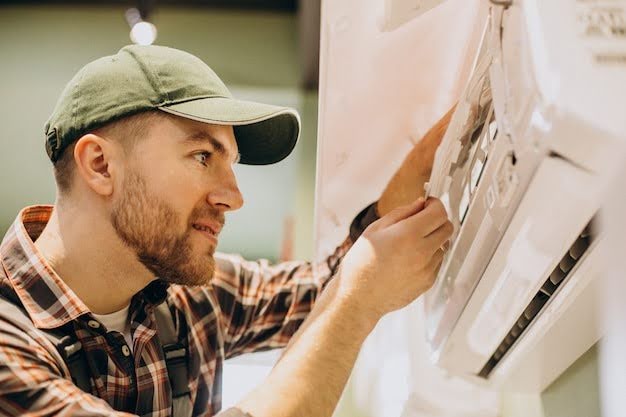
During the main air conditioning installation, technicians mount the indoor unit, place the condenser, connect refrigerant lines, and wire the electrical components. Ductwork is inspected, sealed, and adjusted when necessary.
Careful vacuuming, proper refrigerant charging, and secure connections are essential, because small errors can reduce performance and shorten equipment life. Rushed work almost always leads to repeat service calls.
6. Testing and Maintenance
Testing completes every air conditioning installation. Technicians check airflow, temperature drop, thermostat settings, drainage, and safety controls. Ask them to demonstrate how the system works and explain maintenance needs.
Replacing filters regularly and scheduling seasonal inspections keeps your new system efficient and protects your warranty. Keep all paperwork and warranty documents safe.
Final Thoughts
A successful air conditioning installation depends on careful planning, quality equipment, and skilled professionals. Evaluate your needs, choose the right system, hire a trusted installer, prepare the site, and insist on thorough testing. Do not rush decisions or select the cheapest offer without checking credentials. With proper installation and regular maintenance, your system will deliver comfortable temperatures, lower energy bills, and dependable performance through many seasons.