

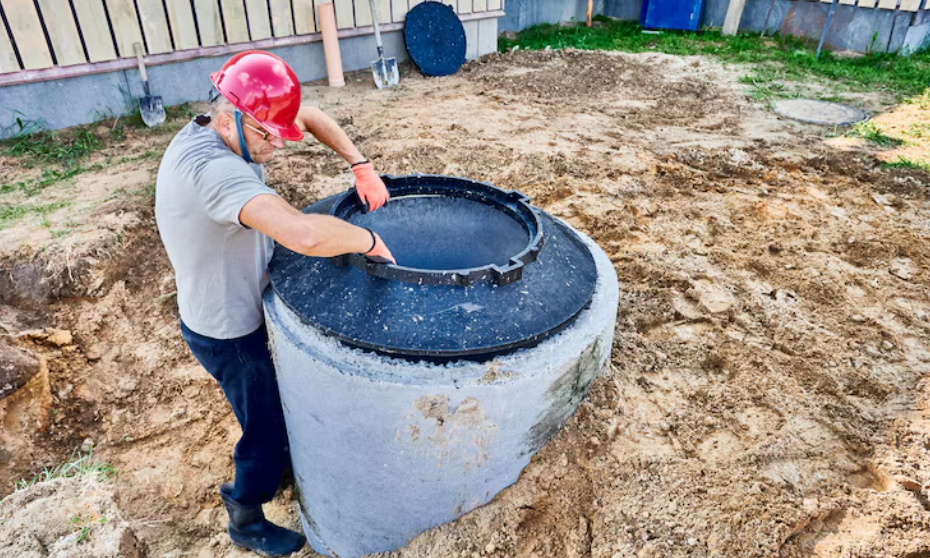
A clean and safe home environment depends on many hidden systems working properly, and one of the most important among them is wastewater management. For homes that are not connected to a public sewer system, a septic system plays a vital role. Proper septic system installation ensures that household waste is safely treated and disposed of without harming the environment or creating health risks. When installed correctly, it helps homeowners maintain hygiene, prevent pollution, and enjoy a worry-free living space.
Understanding Septic System Installation
Septic system installation is the process of setting up an underground wastewater treatment structure for homes and buildings. It typically includes a septic tank and a drain field. Wastewater from bathrooms, kitchens, and laundry flows into the tank, where solids settle at the bottom and oils float to the top. The remaining liquid is then gradually released into the drain field, where it is naturally filtered through the soil.
A properly done septic system installation ensures that this entire process works smoothly. If the system is poorly installed, it can lead to blockages, foul smells, and even contamination of groundwater. That is why careful planning and professional installation are essential for long-term safety and efficiency.
Promoting a Healthy and Hygienic Home Environment
One of the biggest benefits of septic system installation is that it helps maintain hygiene inside and outside the home. Without a proper system, wastewater can accumulate and create unhealthy conditions. This can lead to bacteria growth, insect infestations, and unpleasant odors around the property.
When the system is installed correctly, waste is contained and treated underground, keeping the living environment clean and safe. Families can go about their daily routines without worrying about sanitation issues. This makes septic systems especially important for rural and suburban homes where public sewage systems are not available.
Protecting Groundwater and the Surrounding Environment
A well-planned septic system installation also plays a major role in environmental protection. Groundwater is a vital source of drinking water in many areas, and it can easily become contaminated if wastewater is not properly managed. Harmful bacteria and chemicals can seep into the soil and eventually reach water sources if the system fails.
With correct installation, wastewater is treated naturally as it passes through soil layers in the drain field. This filtration process removes harmful substances and reduces the risk of pollution. As a result, septic systems help protect not only individual households but also the wider community and ecosystem.
Increasing Property Value and Long-Term Savings
Investing in proper septic system installation can also increase the value of a property. Buyers often look for homes with well-maintained wastewater systems because they know it reduces future problems and expenses. A reliable system adds confidence and appeal to a property.
In addition, a properly installed system reduces the need for frequent repairs. When everything is set up correctly from the beginning, it works efficiently for many years with only routine maintenance. This helps homeowners save money over time and avoid costly emergency repairs caused by system failure.
Importance of Professional Installation and Maintenance
While some homeowners may not realize it, septic system installation is a technical process that requires expertise. Factors such as soil type, water table level, and household size must all be considered before installation. Professionals ensure that the system is designed and placed correctly for maximum efficiency.
After installation, regular maintenance is equally important. Checking the tank, pumping waste when needed, and monitoring the drain field all help extend the life of the system. A well-maintained septic system continues to support a safe and clean home environment for decades.
Conclusion
Septic system installation is an essential part of maintaining hygiene, safety, and environmental protection in homes that are not connected to public sewer systems. It ensures proper waste management, protects groundwater, and contributes to a healthier living space. With professional installation and regular care, homeowners can enjoy long-term benefits, reduced costs, and peace of mind knowing their home environment remains clean and safe.